


Blog

Top 5 Biodegradable Plastic Innovations You Need to Know?

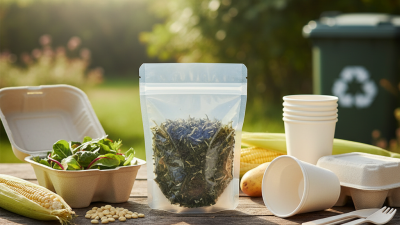
As the world grapples with plastic pollution, biodegradable plastic emerges as a potential solution. This innovation aims to reduce waste and environmental impact. Biodegradable plastics break down faster than traditional plastics, which can last for hundreds of years.

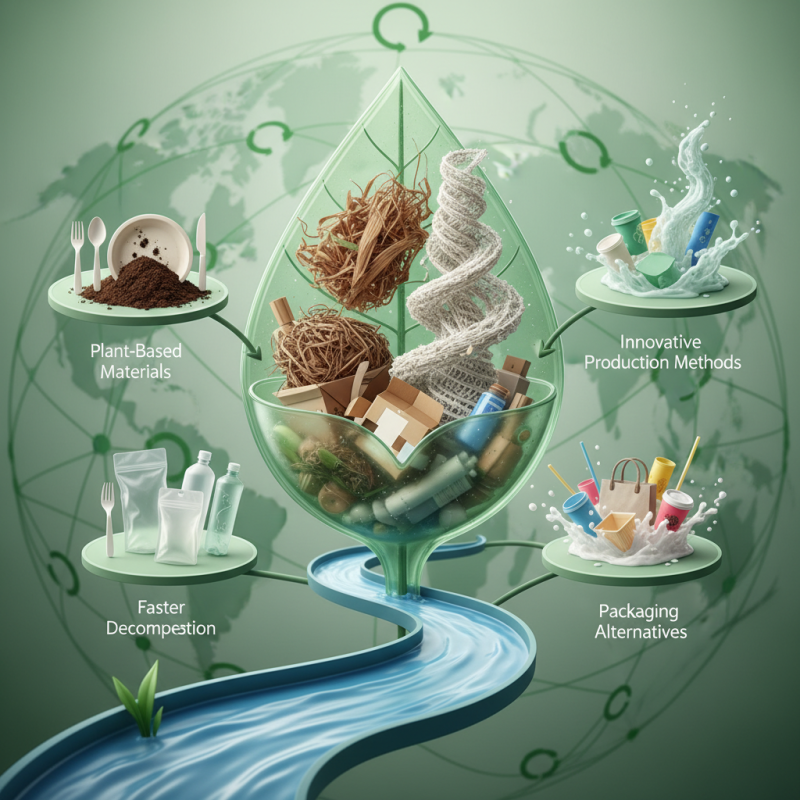
Recent advancements in biodegradable plastic technology show promise. From plant-based materials to innovative production methods, these developments transform how we think about packaging and single-use items. However, challenges remain. Not all biodegradable plastics decompose as intended in natural environments. Awareness and education about these products are crucial for effective usage.

Exploring these top five innovations in biodegradable plastic reveals their potential and limitations. Each innovation brings unique benefits but also sparks conversation about sustainability and consumer responsibility. Understanding these nuances is key as we navigate a future with biodegradable alternatives.
Top 5 Biodegradable Plastic Innovations You Need to Know?

Emerging Trends in Biodegradable Plastics: An Overview

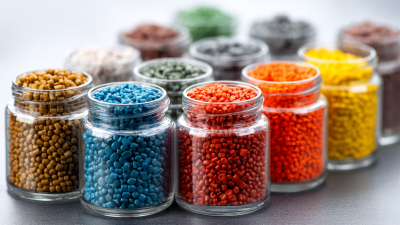
Biodegradable plastics are gaining traction as pollution concerns rise. The innovations in this field are not just about replacing conventional plastics. They focus on creating materials that are both functional and environmentally friendly. New polymers made from natural sources are being developed. These alternatives can break down more quickly than traditional plastics.


Research highlights various approaches. Some involve using agricultural waste to create biodegradable materials. Others are modifying existing plastics to enhance their breakdown. This transformation is not without its challenges. The balance between performance and environmental impact is delicate. Some biodegradable options might not decompose effectively in landfills.


Consumer awareness is critical in this landscape. People need to understand that not all biodegradable plastics are equal. The term "biodegradable" can be misleading. There’s a need for more transparent labeling to guide consumers. Education is vital for making informed choices. Engaging communities in discussions on this topic can foster a deeper understanding. The innovations are promising, yet the journey is filled with complexities that must be navigated carefully.
Top Biodegradable Materials Revolutionizing the Industry

The world is witnessing a surge in biodegradable materials that are transforming the industry. These innovations are crucial in the battle against plastic pollution. To understand their impact, let's explore some exciting developments.

One standout material is polylactic acid (PLA). It is derived from renewable resources like corn starch. PLA can decompose in industrial composting facilities, breaking down into non-toxic substances. However, its effectiveness requires specific conditions that may not always be available. This highlights the need for better infrastructure to support such materials.

Another emerging contender is potato starch-based plastics. These are versatile and can be molded into various forms. They offer a sustainable alternative for single-use items. However, critics point out that sourcing large amounts of potatoes could strain agricultural systems. It raises questions about sustainability versus practicality.

Tips: When opting for biodegradable materials, look for certifications that guarantee their environmental claims. Also, consider the end-of-life options available for each product. Engage with local recycling efforts to ensure proper disposal. While these materials show promise, continued innovation is essential for achieving true sustainability.

Innovative Production Techniques for Biodegradable Plastics

Innovative production techniques are reshaping the landscape of biodegradable plastics. In recent years, researchers have focused on creating methods that reduce environmental impact. One promising technique involves the use of agricultural waste. By converting leftover materials into bioplastics, we not only minimize waste but also lower production costs. This approach can transform problems into solutions.

Another exciting development is the fermentation process. Microorganisms break down organic matter to produce biopolymers. This method shows great potential. It offers scalability and reduces reliance on fossil fuels. However, the process is not without its challenges. Controlling conditions for optimal fermentation is complex and requires ongoing refinement.

Extrusion techniques are also being explored. They allow for the mixing of biodegradable materials with additives. This can improve the performance of plastics. However, finding the right balance between biodegradability and usability poses difficulties. Many formulations need testing to ensure they meet industry standards while being environmentally friendly. These innovations are steps forward, but there's a long way to go.

Top 5 Biodegradable Plastic Innovations You Need to Know

Innovation Material Type Production Technique Degradation Time Applications
PHA Bioplastics Polyhydroxyalkanoates Fermentation 6 months - 2 years Packaging, medical devices
PLA Composites Polylactic Acid Injection Molding 6 months Food containers, utensils
Starch-based Plastics Biodegradable Starch Extrusion 3 months - 1 year Mulch films, bags
PBAT Blends Polybutylene Adipate Terephthalate Thermoplastic Processing 6 months Packaging films
Cellulose-based Plastics Cellulose Acetate Regeneration Process 2 - 3 months Film applications, fibers

Applications and Impact of Biodegradable Plastics in Daily Life

Top 5 Biodegradable Plastic Innovations You Need to Know?

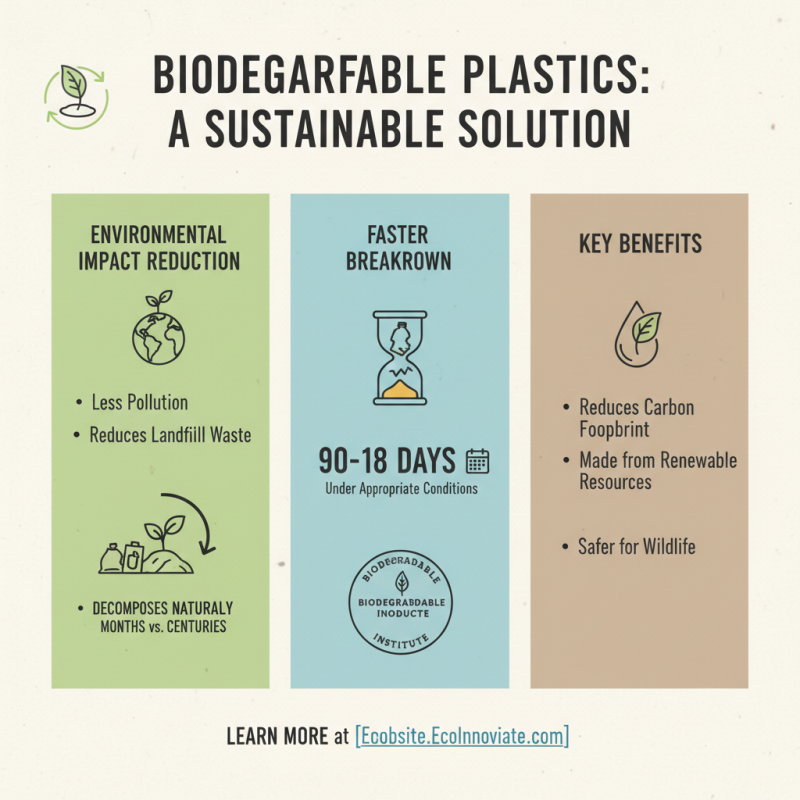
Biodegradable plastics are gaining attention due to their potential to reduce environmental impact. These materials can decompose naturally, unlike traditional plastics. According to a recent report by the Biodegradable Products Institute, biodegradable plastics can break down within months in appropriate conditions. This is a stark contrast to the hundreds of years conventional plastics require.

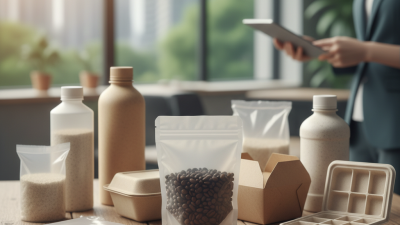
In our daily lives, biodegradable plastics have various applications. They are used in packaging, utensils, and bags. Many compostable options are now available, making it easier for consumers to choose sustainable alternatives. For instance, a study by Smithers Pira states that the global market for biodegradable plastics is expected to reach $10.9 billion by 2025. This reflects growing awareness and demand for eco-friendly products.

However, it's essential to consider the limitations. Not all biodegradable plastics break down efficiently in landfill conditions. They often need industrial composting facilities. In addition, public awareness about proper disposal methods remains low. Many consumers still dispose of biodegradable options in regular trash. This lack of understanding can negate the environmental benefits these materials offer. Encouraging education and proper disposal should be a priority moving forward.

The Future of Biodegradable Plastics: Challenges and Opportunities

The potential of biodegradable plastics is vast, yet hurdles remain. Innovations often focus on plant-based materials, but production costs can be high. This raises questions about scalability and accessibility. While biodegradable plastics can break down in specific environments, they still require particular conditions to do so effectively. This can limit their practicality in everyday use.

When considering biodegradable options, think about local waste management systems. Some regions may not support the proper composting facilities needed for these materials. Consumers often lack awareness of how to dispose of biodegradable products correctly. Thus, education is key to ensuring these materials achieve their potential.

Tips: Always check the labeling of biodegradable plastics. Misleading claims can lead to improper disposal. Also, consider combining biodegradable plastics with traditional materials for hybrid solutions. This can ease transitions and reduce waste in the short term. Awareness and adaptation will drive the future of biodegradable plastics.

Register now